新闻中心
东欧名帅卢塞斯库警示:沙特足球恐重蹈中超覆辙!
, football fans! Ever wondered if the glitzy world of Saudi football is heading down a familiar, yet risky path? Renowned Eastern European coach Mircea Lucescu has dropped a bombshell, claiming that Saudi Arabia's football scene is mirroring the pitfalls of the Chinese Super League (CSL). Buckle up as we dive into this controversial take and explore whether Saudi football is indeed becoming a cautionary tale.
Why Lucescu's Warning Rings Alarm Bells
Mircea Lucescu, a veteran coach with a storied career across Europe and Asia, recently voiced his concerns about the trajectory of Saudi football. Having witnessed the rise and fall of various leagues firsthand, he draws a striking parallel between the current state of the Saudi Pro League and the Chinese Super League during its boom-and-bust phase. His critique centers on the heavy reliance on high-profile foreign signings—think Cristiano Ronaldo or Neymar—and massive financial investments without a sustainable grassroots foundation. Is this a recipe for long-term success, or a flashy mirage?
The Chinese Super League: A Tale of Caution
To understand Lucescu’s perspective, let’s revisit the CSL’s journey in the 2010s. Back then, China poured billions into its league, luring global stars like Oscar and Hulk with jaw-dropping salaries. Clubs spent extravagantly to boost their international image, but beneath the surface, youth development and infrastructure lagged. When financial regulations tightened and investors pulled back, many clubs faced bankruptcy, leaving the league struggling to regain credibility. Lucescu warns that Saudi football risks a similar fate if it prioritizes short-term glamour over long-term stability.
Saudi Football's Current Boom: Glitz or Growth
Fast forward to today, and the Saudi Pro League is making headlines with its ambitious Vision 2030 plan, backed by staggering investments from the Public Investment Fund (PIF). The arrival of superstars has undeniably raised the league’s profile, drawing global attention. However, critics like Lucescu argue that this mirrors the CSL’s early strategy—focusing on spectacle rather than nurturing local talent or building competitive depth. While attendances soar for big names, questions remain: Are young Saudi players getting enough opportunities? Is the infrastructure ready to sustain this momentum?
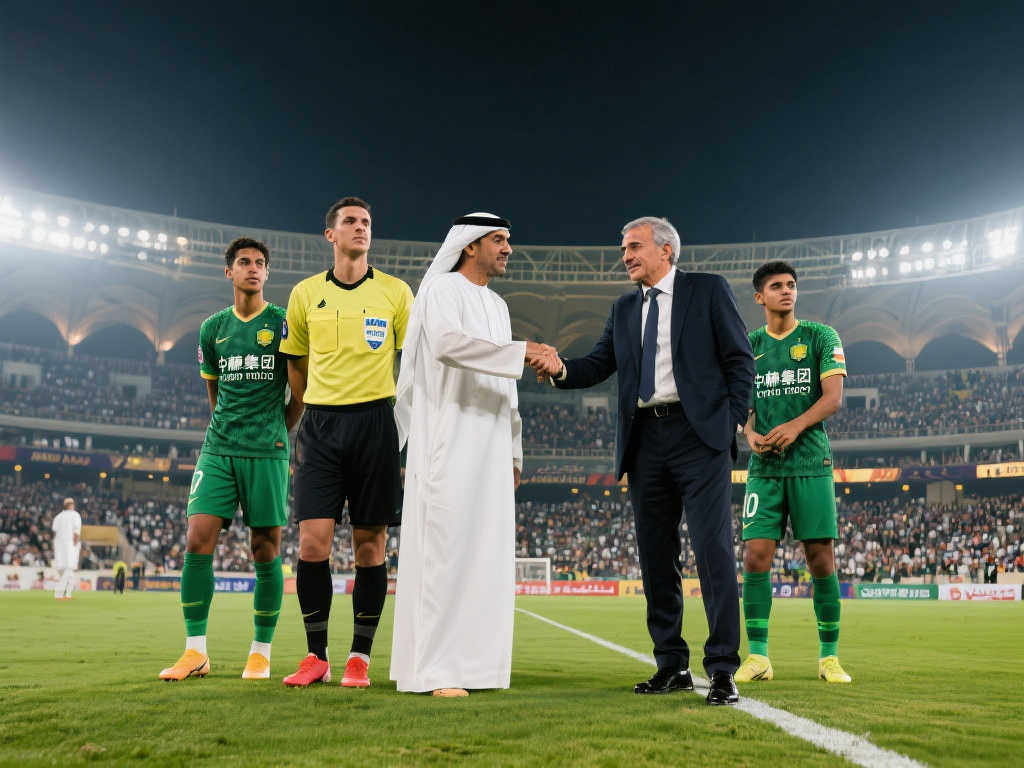
A Case Study: Al-Nassr's Ronaldo Effect
Take Al-Nassr, for instance. Since signing Cristiano Ronaldo in 2023, the club has seen unprecedented fan engagement and commercial growth. Yet, beyond ticket sales and jersey revenue, how much of this translates into developing homegrown talent? Critics point out that while Ronaldo’s presence inspires, it also overshadows emerging local stars who struggle for game time. This imbalance echoes the CSL’s past issues, where foreign imports often dominated lineups at the expense of domestic players—a concern Lucescu emphasizes as a potential pitfall for Saudi football.
Balancing Ambition with Sustainability
Lucescu’s warning isn’t about dismissing Saudi Arabia’s aspirations but urging a more balanced approach. Investing in academies, coaching education, and domestic competitions could ensure that the league’s growth isn’t just a fleeting trend. Imagine if every major signing came with a parallel commitment to youth programs—wouldn’t that create a stronger foundation? The challenge lies in resisting the temptation to chase instant results through marquee names alone, a lesson painfully learned by China’s top tier.
Learning from Others to Forge a Unique Path
While comparisons to the Chinese Super League are inevitable given the similarities in spending patterns, Saudi Arabia has a chance to carve its own identity. Unlike China’s relatively isolated market at the time of its boom, Saudi Arabia benefits from proximity to Europe’s talent pool and a growing regional interest in football ahead of hosting events like the 2034 FIFA World Cup. Leveraging these advantages with a focus on sustainability could set it apart—but only if decision-makers heed voices like Lucescu’s.
By shining a light on these parallels, we see that Saudi football stands at a crossroads. Will it repeat history by becoming another cautionary tale like the CSL, or will it rewrite the script with a vision beyond star power? The ball is firmly in their court.
2026-01-06T08:05:27+08:00
热门新闻
实时了解热门新闻
热门新闻
罗德里淡然面对金球奖排名:作为西班牙中场,未能进前5很正常
在足球世界,金球奖无疑是球员个人成就的至高荣誉。然而,当2023年金球奖排名公布时,西班牙中场罗德里未能进入前五,引发了广泛讨论。作为曼城和西班牙国家队的核心球员,罗德里在过去一年帮助球队赢得英超、欧冠以及欧洲杯冠军,这样的成绩却未能让他跻身前列。面对这一结果,罗德里本人却表现得异常淡然,甚至调侃道:“哟西!没进前5很正常,毕竟我只是一位西班牙中场。”他的幽默与自信背后,是对自身定位的深刻理解,也让我们重新思考金球奖评选标准是否真正公平。今天,我们就来聊聊这位低调的中场大师,以及他为何对金球奖排名如此“佛系”。
热门新闻
朗尼克:斥资5000万签28或30岁球员不划算,拜仁应谨慎选择
在足球转会市场中,高额投入往往是豪门俱乐部提升实力的常见手段。然而,曼联临时主帅朗尼克却抛出了一个颇具争议的观点:花费5000万欧元签下28岁或30岁的球员毫无意义。这一言论直指一些顶级俱乐部在转会策略上的短视行为,尤其是像拜仁慕尼黑这样的球队。今天的文章将围绕这一主题,探讨朗尼克的观点背后的逻辑,以及为何他认为这种投资并不明智。
热门新闻
马卢达畅谈恩里克的冠军风范与“神龟”之于球队的重要性
在足球世界中,教练与球员之间的化学反应常常是决定成败的关键因素之一。弗洛伦特·马卢达,一位备受尊敬的前职业球员,当他提到恩里克时,他用了"冠军气质"来形容这位传奇教练。这不仅仅是对他带队能力的一种赞誉,更是对其独特风格与精神力量的一种认可。同时,迅速崛起的新星“神龟”,正通过自身卓越表现成为一支球队的重要成员。
热门新闻
恩里克反驳阿尔特塔:我绝不认同阿森纳表现更出色的说法
在足球世界中,教练之间的意见分歧往往能点燃球迷的热情。近日,巴黎圣日耳曼主帅恩里克与阿森纳主帅阿尔特塔就一场比赛的表现评价产生了截然不同的看法。阿尔特塔认为阿森纳在比赛中表现更佳,而恩里克则直言不讳地表示完全不同意这一观点。这场“口水战”不仅让球迷津津乐道,也让我们有机会深入探讨两位名帅的战术理念和对比赛的不同解读。今天,我们就来分析这场争论背后的故事。